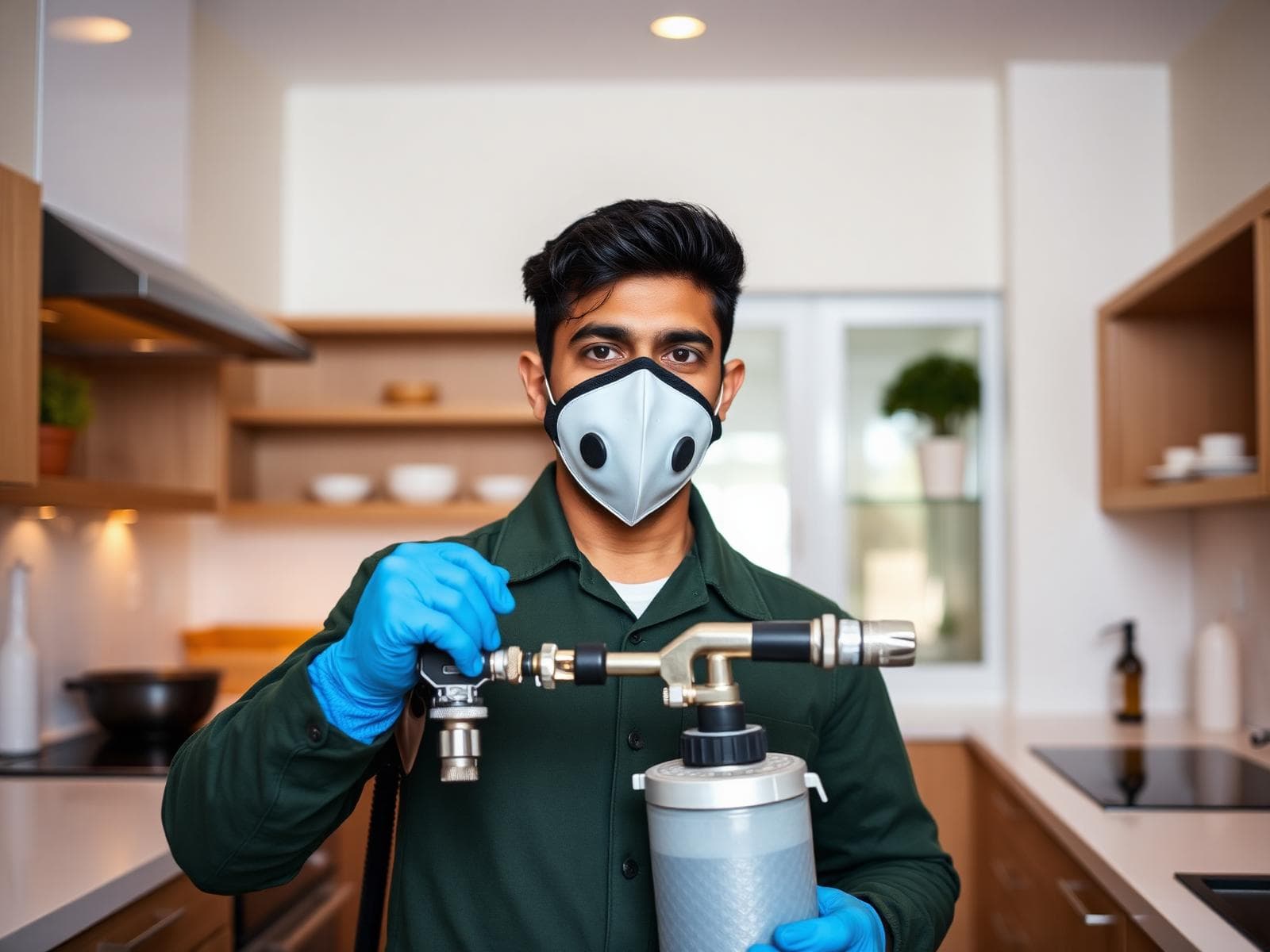
AIPS technician performing ant control
ServiceCIB · Family-safe

Ant Control in Kolkata & West Bengal

Sugar-ant and carpenter-ant colonies eliminated at the queen with slow-acting bait — no repeat trails.

Overview

What our ant protocol does

Ant Control at AIPS is delivered by trained, in-house technicians using CIB-approved, family-safe chemistry. From the first inspection to the final follow-up, every step of our ant protocol is documented, so you know exactly what was applied, where and why.

CIB-approved, label-rate chemistry — safe around children and pets

Same trained technician on every follow-up visit

No fogging, no strong odour, no need to leave the home for hours

Detailed job report and MSDS on request

Book a free inspection

Tell us what you need — we'll call you back within business hours.

No OTP. No spam. We use your number only to call you back.

Signs you need this service

  • Live ant activity in kitchens, bathrooms or storage areas
  • Droppings, shed skins or trails along skirtings and cabinets
  • Damage to furniture, food packaging, fabric or wiring
  • Musty odour or unusual sounds at night
  • Repeat sightings even after DIY sprays
Health & property risks

  • Contamination of food, utensils and drinking water
  • Allergies, asthma triggers and skin reactions for children and elderly
  • Structural or fabric damage that quietly compounds over months
  • Loss of business reputation for restaurants, hotels and clinics
Untreated antproblems compound month after month. A single inspection tells you exactly what you're dealing with.
Our scientific approach

How AIPS delivers ant treatment

Inspection first, chemistry second. Every step is documented so nothing is left to guesswork.

  1. 01

    Inspection & assessment

    Trail tracing to locate nest entry

  2. 02

    Targeted treatment

    Slow-acting bait so workers feed the colony

  3. 03

    Follow-up & prevention

    Perimeter residual for outdoor re-entry

The science behind the treatment

Biology and Management of Ants

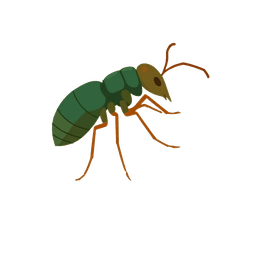
Ants are highly organised social insects living in colonies that can range from a few dozen to many thousands of individuals. While most household ant species are more nuisance than hazard, carpenter ants can cause genuine structural damage, and any colony left untreated will keep sending new foraging trails back into the kitchen.

Kingdom: AnimaliaPhylum: ArthropodaClass: InsectaOrder: HymenopteraFamily: Formicidae

Life cycle

Egg to adult

6–10 weeks, depending on species and temperature

Queen lifespan

Several years

Mature colony size

A few hundred to several thousand workers

Signs of infestation

  • Visible foraging trails to a food or water source
  • Small piles of soil or wood shavings near baseboards (carpenter ants)
  • Winged reproductive swarmers indoors, usually before monsoon
  • Nests found under slabs, paving or inside wall voids

Integrated management approach

Inspection

  • Trace foraging trails back to entry points and, where possible, the nest
  • Check moisture-damaged wood for carpenter ant galleries
  • Inspect the garden perimeter for outdoor nests

Preventive measures

  • Seal cracks and gaps at entry points
  • Fix moisture issues — carpenter ants strongly prefer damp wood
  • Store food, including pet food, in sealed containers
  • Trim vegetation touching the building

Monitoring

  • Bait stations along known trails
  • Ongoing visual trail monitoring

Chemical control

  • Slow-acting gel or granular bait (fipronil, indoxacarb or borax-based) carried back to eliminate the queen and colony
  • Perimeter residual spray to prevent outdoor re-entry
  • Dust formulations injected into wall voids for carpenter ant galleries

Ants are colony insects — spraying the visible trail only kills the foragers you can see, while the queen keeps producing more. Slow-acting bait that workers carry back to the nest is what actually collapses the colony, and is why our protocol favours baiting over surface spraying wherever possible.

Why AIPS

Built by agricultural scientists, not call-centre sales.

15+ years in the field

Founded 2010 · 40,000+ homes & businesses protected.

CIB-approved chemistry

Envu, FMC, Syngenta, UPL — strict label-rate dilutions only.

Same technician, every visit

Trained in-house for 90+ hrs. No sub-contractors.

Transparent reporting

Every visit ends with a written job report — what was applied, where and why.

FAQ

Ant Control — your questions, answered.

Book a free ant inspection today.

A trained AIPS technician will visit, inspect, quote — and only then treat. No pressure, no upsell.