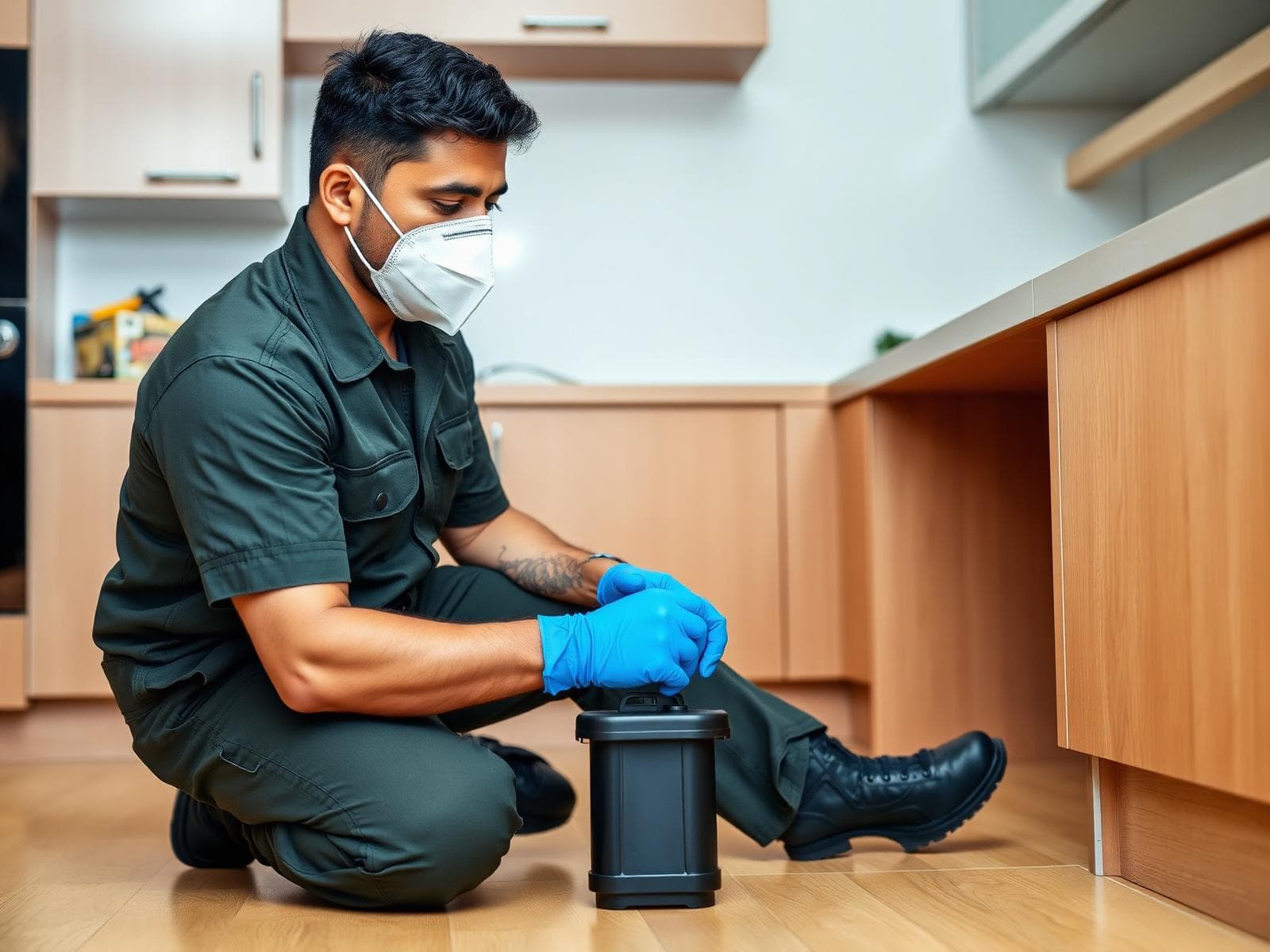
Rodent Control at AIPS is delivered by trained, in-house technicians using CIB-approved, family-safe chemistry. From the first inspection to the final follow-up, every step of our rodent protocol is documented, so you know exactly what was applied, where and why.
CIB-approved, label-rate chemistry — safe around children and pets
Same trained technician on every follow-up visit
No fogging, no strong odour, no need to leave the home for hours
Detailed job report and MSDS on request
Book a free inspection
Tell us what you need — we'll call you back within business hours.
Signs you need this service
Live rodent activity in kitchens, bathrooms or storage areas
Droppings, shed skins or trails along skirtings and cabinets
Damage to furniture, food packaging, fabric or wiring
Musty odour or unusual sounds at night
Repeat sightings even after DIY sprays
Health & property risks
Contamination of food, utensils and drinking water
Allergies, asthma triggers and skin reactions for children and elderly
Structural or fabric damage that quietly compounds over months
Loss of business reputation for restaurants, hotels and clinics
Untreated rodentproblems compound month after month. A single inspection tells you exactly what you're dealing with.
Our scientific approach
How AIPS delivers rodent treatment
Inspection first, chemistry second. Every step is documented so nothing is left to guesswork.
01
Inspection & assessment
Snap traps and glue boards indoors — no poisons around food
02
Targeted treatment
Sealed bait stations outdoors for continuous protection
03
Follow-up & prevention
Monthly sighting reports for AMC clients
The science behind the treatment
Biology and Management of Rodents
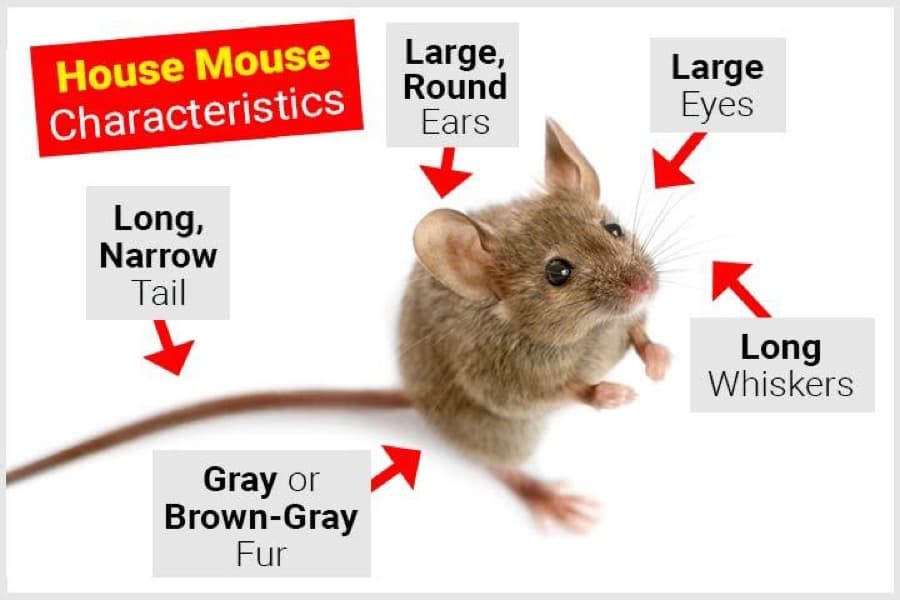
Rodents are among the most destructive urban and agricultural pests. They cause significant economic losses by contaminating food, damaging buildings and electrical wiring, and transmitting diseases to humans and animals. Their rapid reproductive rate, excellent climbing and gnawing abilities, and adaptability make them difficult to control without an Integrated Rodent Management (IRM) programme. The most common commensal rodent pests are the house mouse (Mus musculus), roof rat (Rattus rattus) and Norway rat (Rattus norvegicus).
Used only as part of an integrated programme, in tamper-resistant bait stations
Environmental management
Remove harbourage around buildings and maintain good drainage
Trim vegetation away from structures
Eliminate unnecessary storage and debris; keep loading and waste areas clean
Rodents are highly adaptable mammals that pose serious risks to public health, food safety and property. Effective control requires an Integrated Rodent Management (IRM) approach that combines accurate species identification, sanitation, exclusion, monitoring, trapping, environmental management and the careful use of rodenticides. Continuous inspection, record-keeping and preventive maintenance are essential for long-term rodent control in residential, commercial, food processing, pharmaceutical and industrial facilities.
Why AIPS
Built by agricultural scientists, not call-centre sales.
15+ years in the field
Founded 2010 · 40,000+ homes & businesses protected.