Bed Bug Control at AIPS is delivered by trained, in-house technicians using CIB-approved, family-safe chemistry. From the first inspection to the final follow-up, every step of our bed bug protocol is documented, so you know exactly what was applied, where and why.
CIB-approved, label-rate chemistry — safe around children and pets
Same trained technician on every follow-up visit
No fogging, no strong odour, no need to leave the home for hours
Detailed job report and MSDS on request
Book a free inspection
Tell us what you need — we'll call you back within business hours.
Signs you need this service
Live bed bug activity in kitchens, bathrooms or storage areas
Droppings, shed skins or trails along skirtings and cabinets
Damage to furniture, food packaging, fabric or wiring
Musty odour or unusual sounds at night
Repeat sightings even after DIY sprays
Health & property risks
Contamination of food, utensils and drinking water
Allergies, asthma triggers and skin reactions for children and elderly
Structural or fabric damage that quietly compounds over months
Loss of business reputation for restaurants, hotels and clinics
Untreated bed bugproblems compound month after month. A single inspection tells you exactly what you're dealing with.
Our scientific approach
How AIPS delivers bed bug treatment
Inspection first, chemistry second. Every step is documented so nothing is left to guesswork.
01
Inspection & assessment
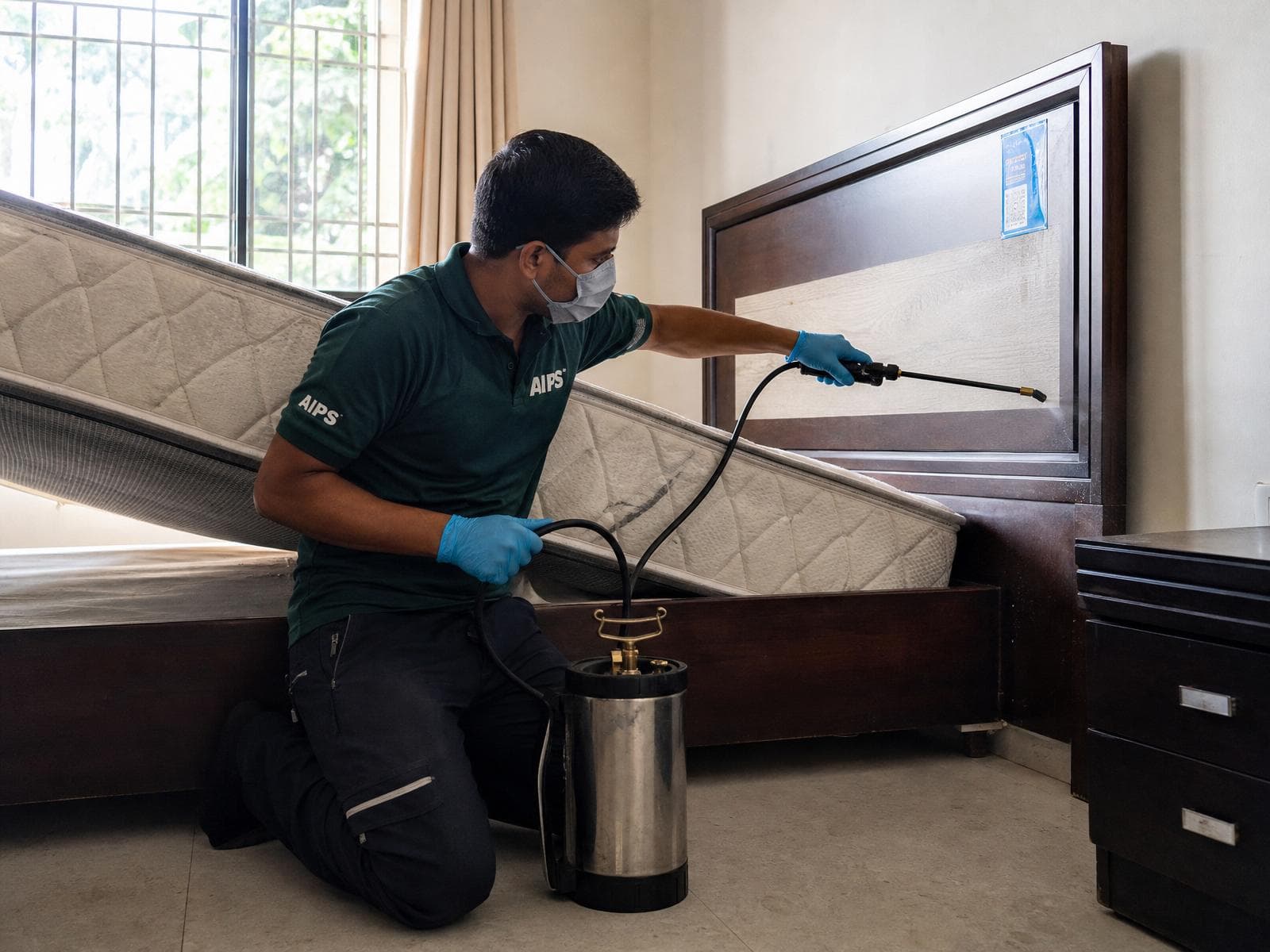
Mattress seam, headboard and skirting inspection
02
Targeted treatment
Residual spray with contact + IGR combination
03
Follow-up & prevention
Mandatory second visit at day 14 to break hatch cycle
The science behind the treatment
Biology and Management of Bed Bugs
Bed bugs are small, wingless, blood-feeding insects that have become one of the most challenging urban pests worldwide. They infest homes, hotels, hospitals, hostels, dormitories, public transport and other places where people sleep or rest. Although bed bugs are not known to transmit diseases to humans, their bites can cause itching, allergic reactions, sleep disturbances, anxiety and economic losses. The most common species affecting humans is Cimex lectularius.
Kingdom: AnimaliaPhylum: ArthropodaClass: InsectaOrder: HemipteraFamily: Cimicidae — genus Cimex, species Cimex lectularius
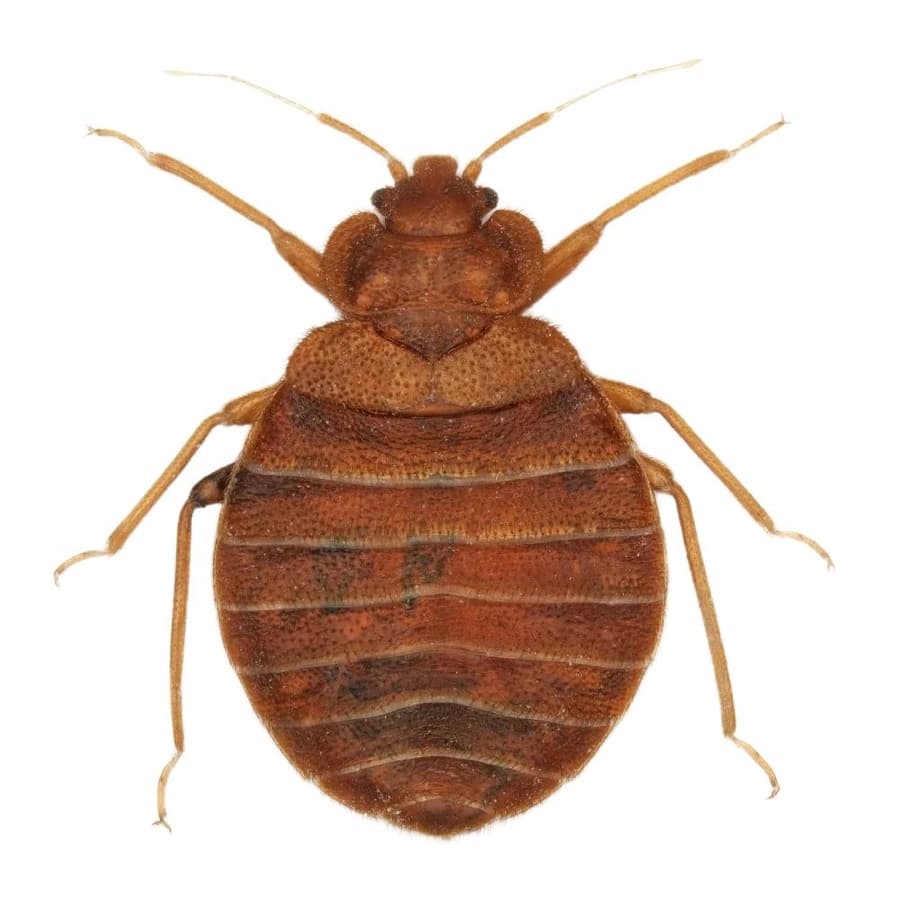
An adult bed bug — reddish-brown, flattened and oval, turning darker and swollen after feeding.
Life cycle
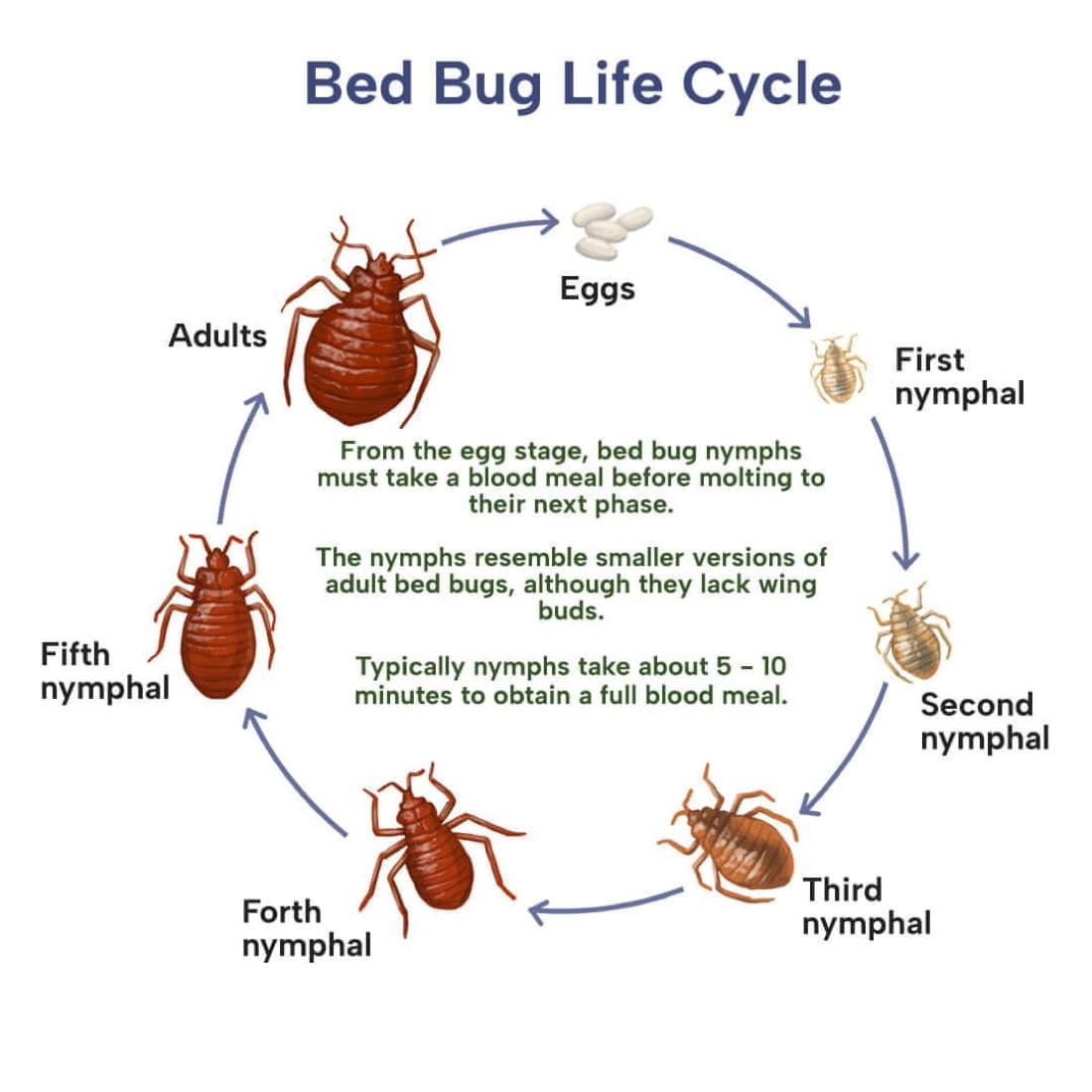
Eggs per day
1–5, up to 200–500 in a lifetime
Egg hatch
6–10 days, depending on temperature
Egg to adult
Usually 5–8 weeks under favourable conditions
Adult lifespan
6–12 months; longer without feeding in cool conditions
Signs of infestation
Live bed bugs, eggs and eggshells
Cast skins (shed exoskeletons)
Small black faecal spots on mattresses and furniture
Blood stains on bed sheets
Sweet, musty odour in heavy infestations
Itchy bite marks, often in rows or clusters
Integrated management approach
Inspection
Mattresses, bed frames, headboards and upholstered furniture
Curtains, electrical outlets and wall cracks
Luggage and adjacent rooms in hotels and apartments
Monitoring
Interceptor traps under bed legs and sticky monitoring traps
Visual inspections with flashlights and inspection tools
Detection by trained personnel or canine detection where available
Sanitation & housekeeping
Reduce clutter around sleeping areas
Vacuum mattresses, furniture and floor edges thoroughly, disposing of contents in sealed bags
Wash bedding and clothing regularly after infestation is detected
Physical control
Wash infested fabrics in hot water (≥60°C) and dry on high heat for at least 30 minutes
Steam-treat mattresses, furniture and cracks
Mattress and box-spring encasements
Freeze small infested items at −18°C or below for several days, if practical
Heat treatment
Whole-room or localised heat to 50–60°C, maintained for several hours
Chemical-free; kills eggs, nymphs and adults
Suitable for sensitive environments when performed correctly
Chemical control
Applied only to harbourages, per product label — deltamethrin, lambda-cyhalothrin, alpha-cypermethrin, bifenthrin
Silica gel dust and diatomaceous earth for cracks and voids
Resistance to some pyrethroids is documented — combine with non-chemical methods
Follow-up
Reinspect after 10–14 days
Repeat treatment if live bugs or newly hatched nymphs are found
Continue monitoring until no activity is detected over multiple inspections
Bed bugs are resilient, blood-feeding pests that reproduce rapidly and conceal themselves in very small harbourages. Successful control requires an Integrated Pest Management (IPM) approach combining detailed inspection, sanitation, physical methods (vacuuming, steam, laundering and heat treatment), continuous monitoring and carefully targeted insecticide applications. Early detection and prompt intervention are the keys to preventing widespread infestations in homes, hotels, healthcare facilities and other occupied buildings.
Why AIPS
Built by agricultural scientists, not call-centre sales.
15+ years in the field
Founded 2010 · 40,000+ homes & businesses protected.