Cockroach Control at AIPS is delivered by trained, in-house technicians using CIB-approved, family-safe chemistry. From the first inspection to the final follow-up, every step of our cockroach protocol is documented, so you know exactly what was applied, where and why.
CIB-approved, label-rate chemistry — safe around children and pets
Same trained technician on every follow-up visit
No fogging, no strong odour, no need to leave the home for hours
Detailed job report and MSDS on request
Book a free inspection
Tell us what you need — we'll call you back within business hours.
Signs you need this service
Live cockroach activity in kitchens, bathrooms or storage areas
Droppings, shed skins or trails along skirtings and cabinets
Damage to furniture, food packaging, fabric or wiring
Musty odour or unusual sounds at night
Repeat sightings even after DIY sprays
Health & property risks
Contamination of food, utensils and drinking water
Allergies, asthma triggers and skin reactions for children and elderly
Structural or fabric damage that quietly compounds over months
Loss of business reputation for restaurants, hotels and clinics
Untreated cockroachproblems compound month after month. A single inspection tells you exactly what you're dealing with.
Our scientific approach
How AIPS delivers cockroach treatment
Inspection first, chemistry second. Every step is documented so nothing is left to guesswork.
01
Inspection & assessment
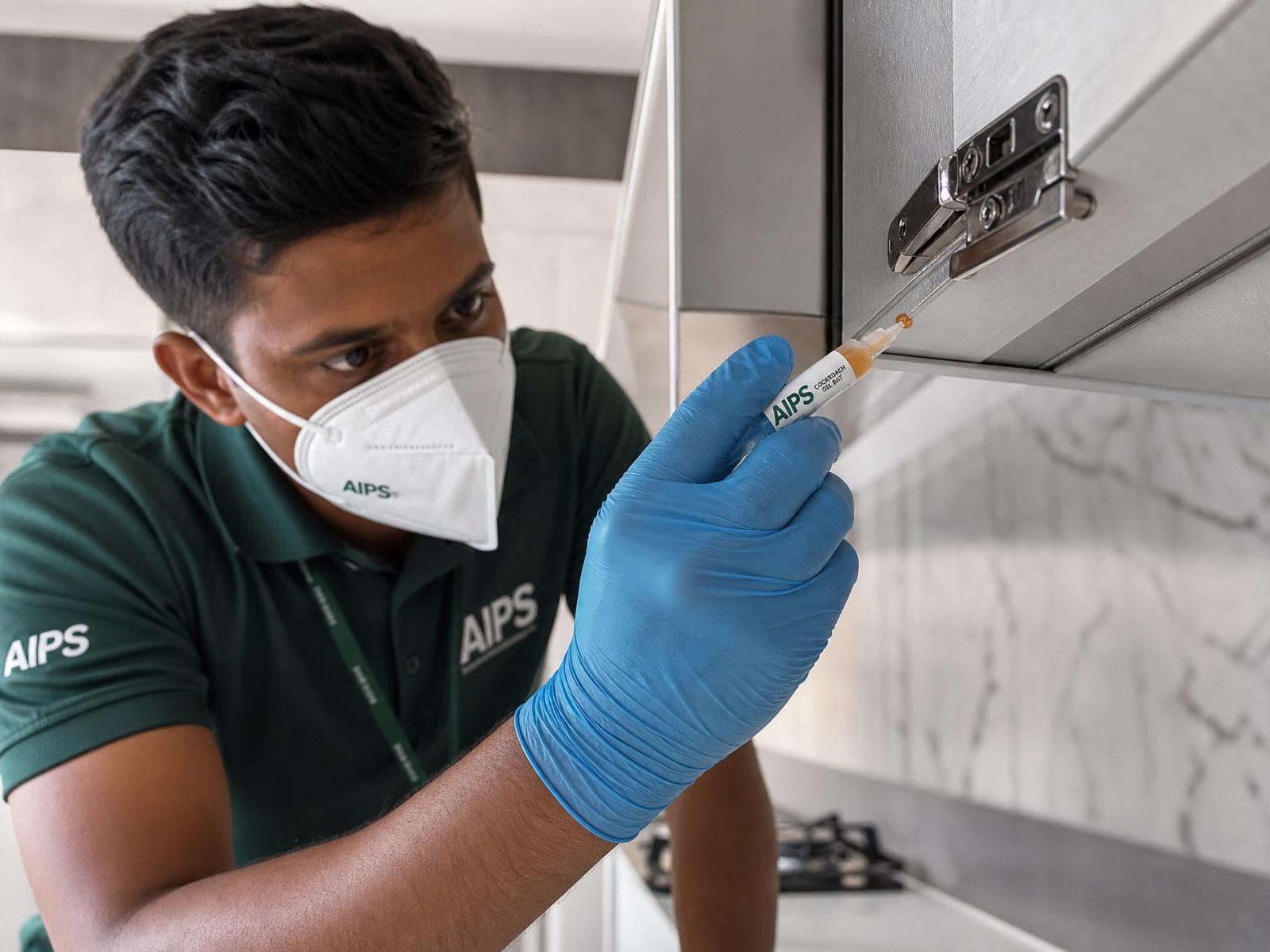
Species-specific gel bait placement at 40+ harbourage points
02
Targeted treatment
IGR (insect growth regulator) to break the reproduction cycle
03
Follow-up & prevention
Follow-up visit at day 21 to confirm zero activity
The science behind the treatment
Biology of Cockroaches and Their Management
Cockroaches are among the most common and persistent urban pests. They are nocturnal, highly adaptable insects that contaminate food, spread disease-causing microorganisms, trigger allergies and asthma, and damage the reputation of food processing, pharmaceutical, hospitality and healthcare facilities. Their ability to reproduce rapidly and survive in harsh conditions makes them difficult to control without an Integrated Pest Management (IPM) approach.
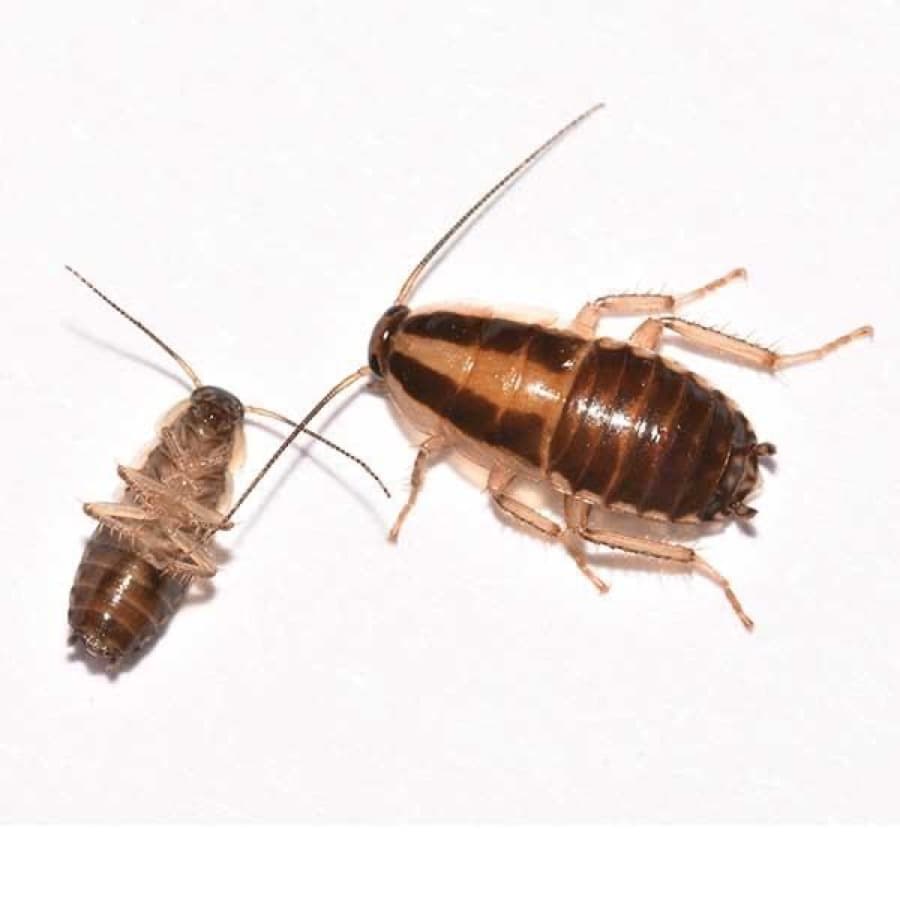
A German cockroach nymph and adult side by side — the most common indoor species.
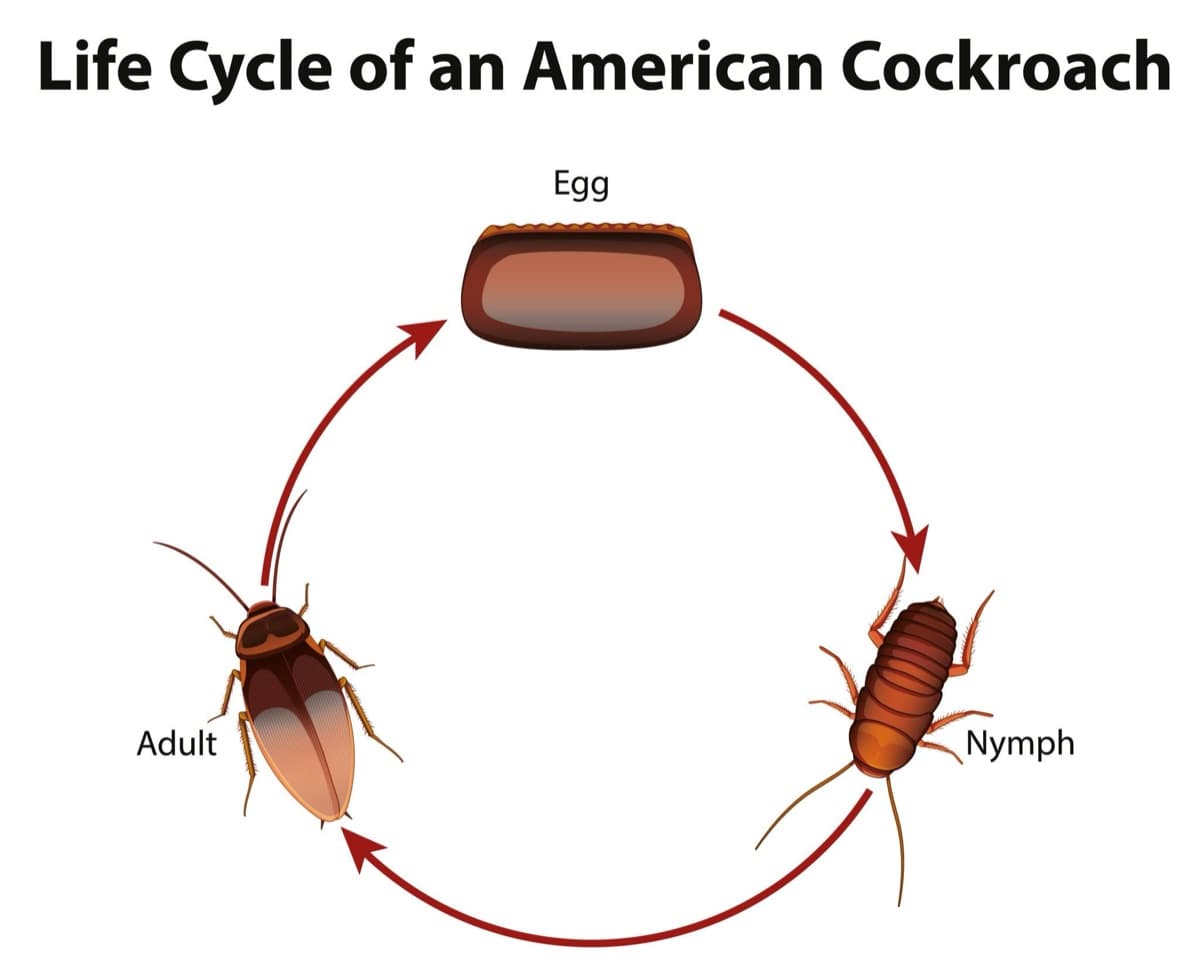
Life cycle
Eggs per ootheca
German: 30–40 · American: 14–16
Nymph stage
6–13 instars over 2–12 months
Adult lifespan
6–18 months
Development
Incomplete metamorphosis (hemimetabolous)
Signs of infestation
Live cockroaches, especially at night
Egg cases (oothecae) in cracks or behind appliances
Dark droppings resembling black pepper or coffee grounds
Cast (shed) skins from moulting nymphs
An unpleasant, musty odour
Smear marks near water sources
Increased night-time activity
Integrated management approach
Inspection
Kitchens, food preparation areas and washrooms
Drains, utility ducts and electrical panels
False ceilings and storage rooms
Cracks and crevices, under sinks and refrigerators
Sanitation
Clean food spills immediately and remove grease deposits
Empty garbage daily and store food in sealed containers
Eliminate clutter and clean drains regularly
Exclusion
Seal cracks and crevices
Repair leaking pipes and install door sweeps
Seal utility penetrations and improve housekeeping
Monitoring
Sticky monitoring traps and glue boards
Pheromone traps where appropriate
Regular inspection records and trend analysis of trap catches
Chemical control — gel baits
Active ingredients: fipronil, indoxacarb, imidacloprid, clothianidin, dinotefuran
Highly effective with low odour and minimal disruption
Suitable for sensitive environments such as hospitals and kitchens
Chemical control — sprays & dusts
Residual sprays at cracks, crevices, wall-floor junctions and pipe entries — never on food-contact surfaces
Dust formulations (silica aerogel, boric acid, diatomaceous earth) for electrical panels, wall voids and false ceilings
Non-chemical control
Vacuuming for heavy infestations
Steam or heat treatment in selected locations
Improved ventilation and moisture reduction
Cockroaches are among the most significant urban pests because of their rapid reproduction, ability to contaminate food, and role in triggering allergies. Successful management requires an Integrated Pest Management (IPM) approach that combines thorough inspection, sanitation, exclusion, continuous monitoring, and the judicious use of gel baits, residual insecticides and non-chemical methods. Consistent follow-up and good housekeeping are essential for long-term control, particularly in food industries, pharmaceutical facilities, hospitals, hotels and residential buildings.
Why AIPS
Built by agricultural scientists, not call-centre sales.
15+ years in the field
Founded 2010 · 40,000+ homes & businesses protected.